Case Study: Solar Potential Estimation at IIT Mandi
Solar potential estimation for IIT Mandi campus using drone surveys, photogrammetry, and 3D modeling software across 96 buildings and 538 acres.
Solar potential estimation for IIT Mandi campus comprising of total 96 buildings, spread over 538 acres and grouped into 3 clusters has been carried out using our TSL design Studio software.
Drone site survey was for accurate 2D and 3D modeling. Further, detailed energy analysis and financial estimates have been carried out.
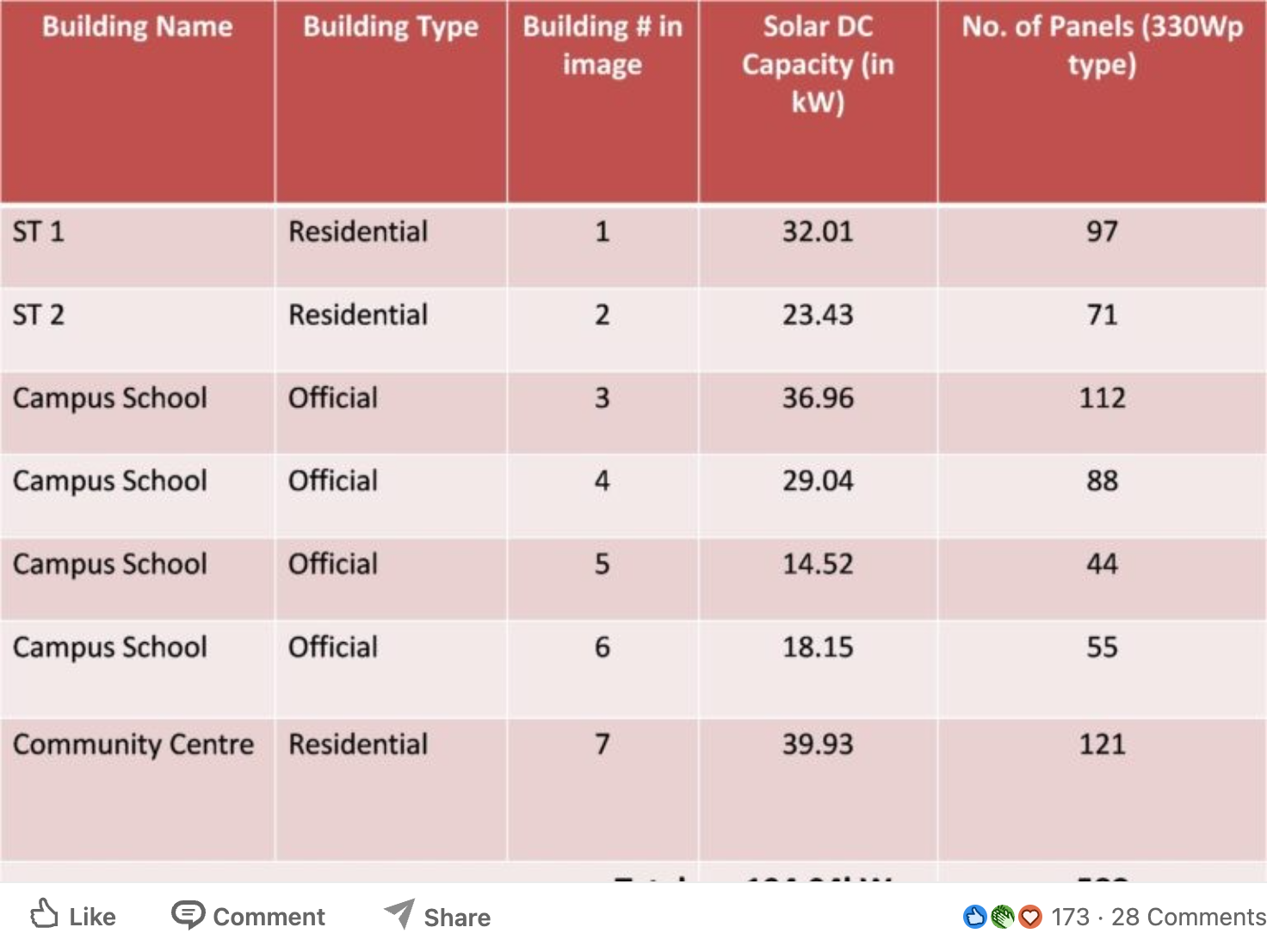
Presented here below are 2 workflows where our company can add value to organizations:
- Large Scale Analysis
- Accurate roof site survey for remote work
Workflow
Methodology
Drone enabled aerial site survey
Due to IIT Mandi’s remote topography, good quality satellite images were not accessible from open sources like Google Maps, Bing Maps etc. Due to this, we conducted an aerial site survey using drones to get high quality images.
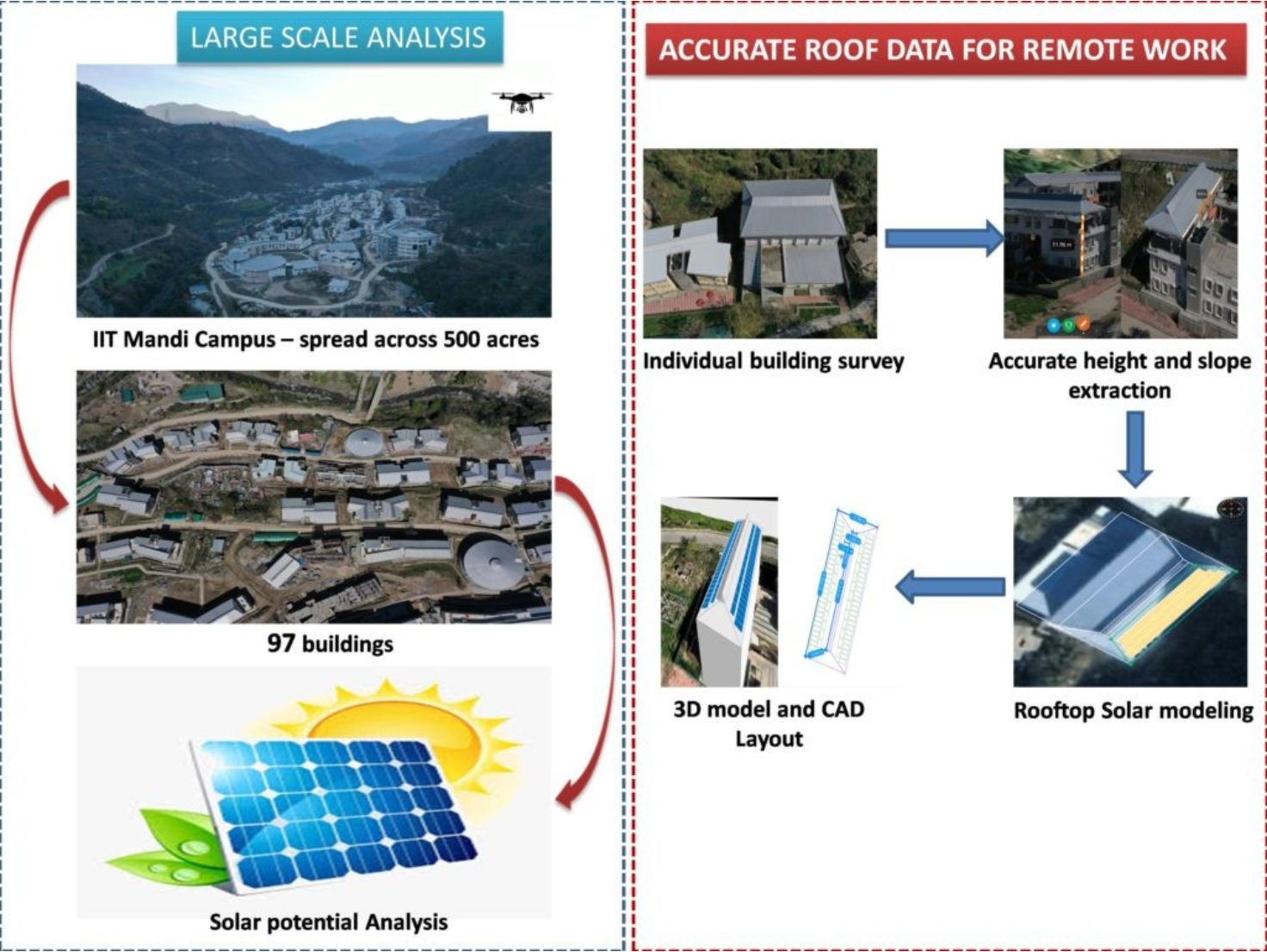
Fig 1: Oblique image of IIT Mandi captured using drone.
Data processing
Using suitable photogrammetry software, the images were processed to obtain orthomosaic map.
Fig 2: Processed orthomosaic image for IIT Mandi.
Site reconstruction and 3D modeling
Using the inbuilt feature of 3D modeling in our TSL design studio, three-dimensional models of each of the buildings in all the three clusters were created.
- Step 1: Upload orthomosaic view of building and scaling for real dimensions
- Step 2: Capture measurements using smart tools within 5 cm accuracy
- Step 3: Modeling of building in Solar Labs design software
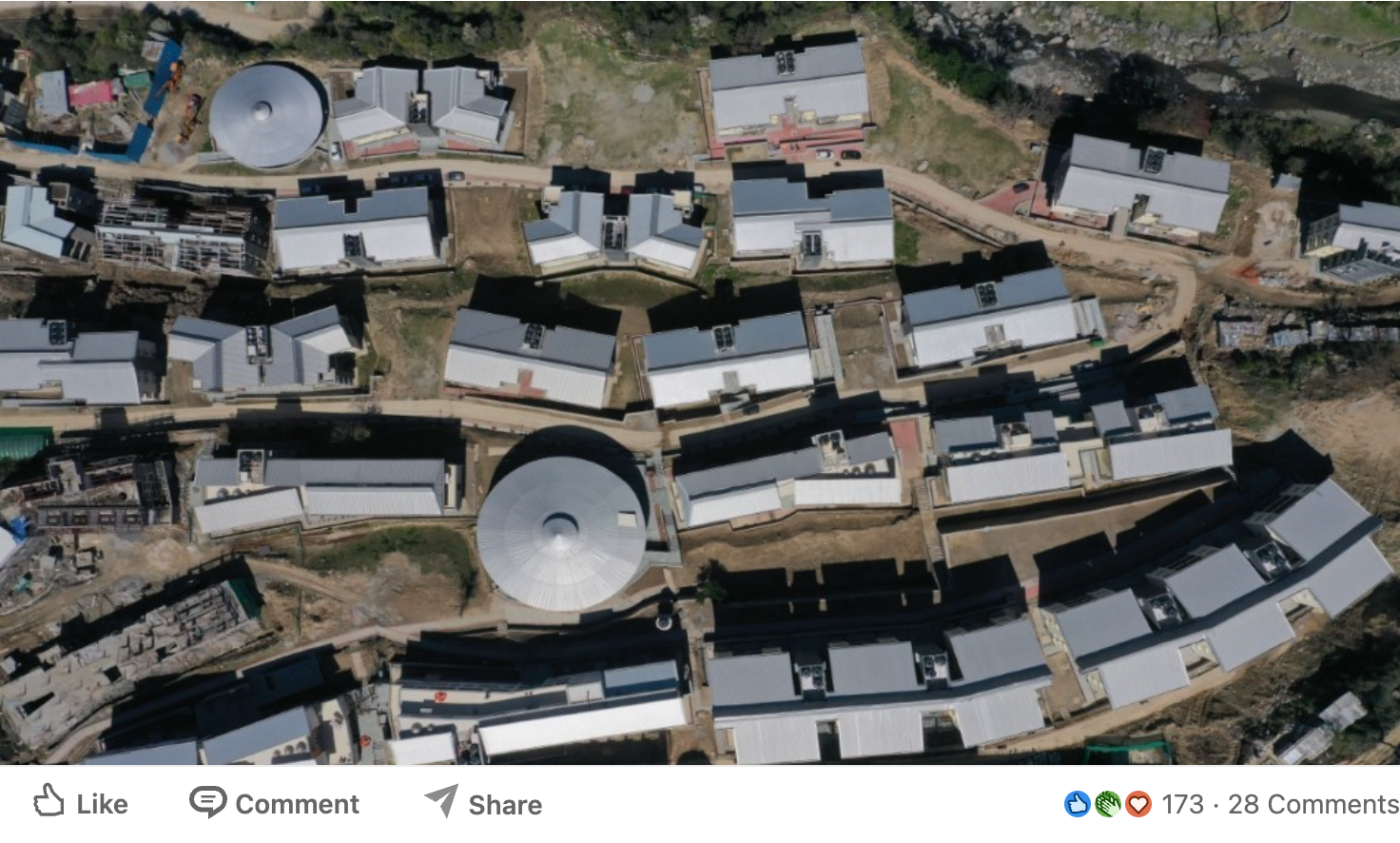
Fig 3: Showing height information (left) and accurate CAD layout of the roof (right)
Solar capacity analysis
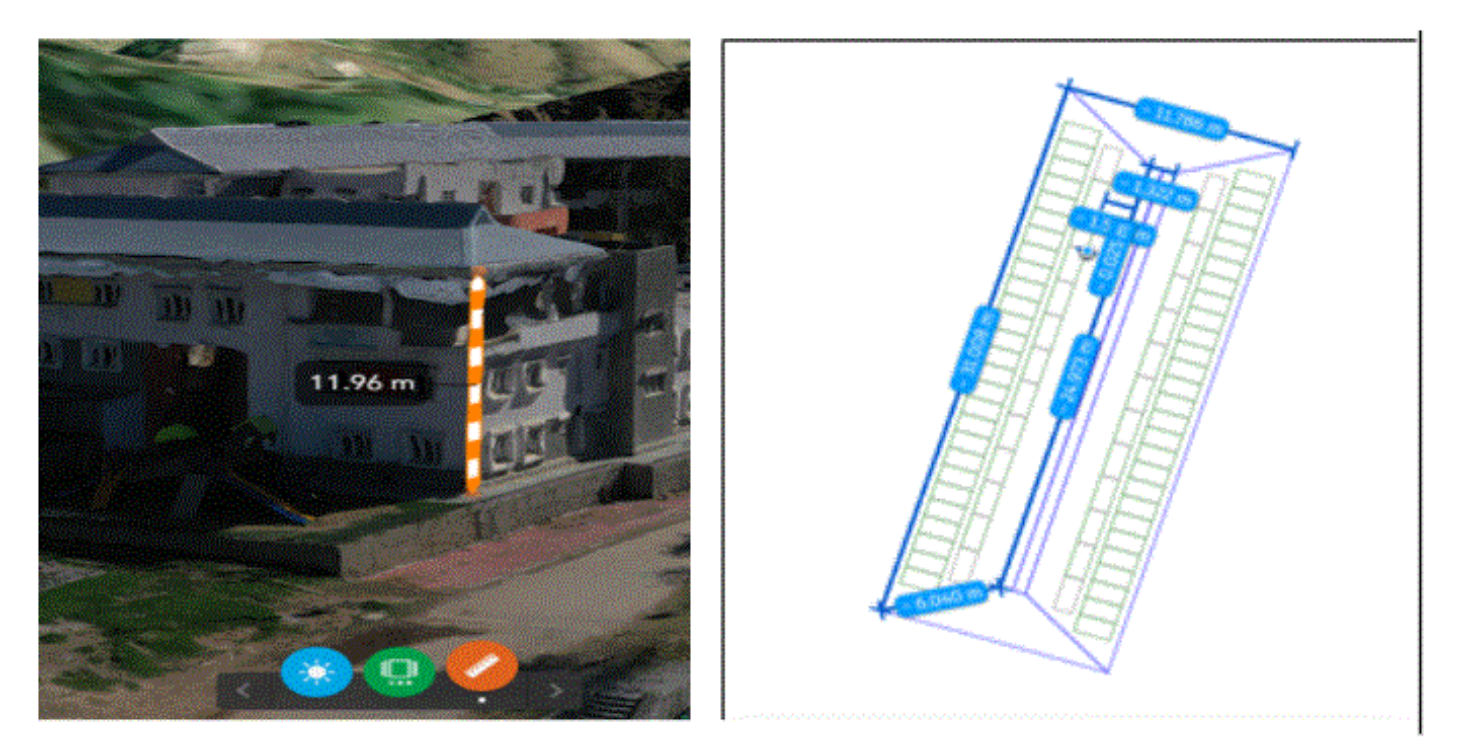
Fig 5: Roofs layout with solar panels placed
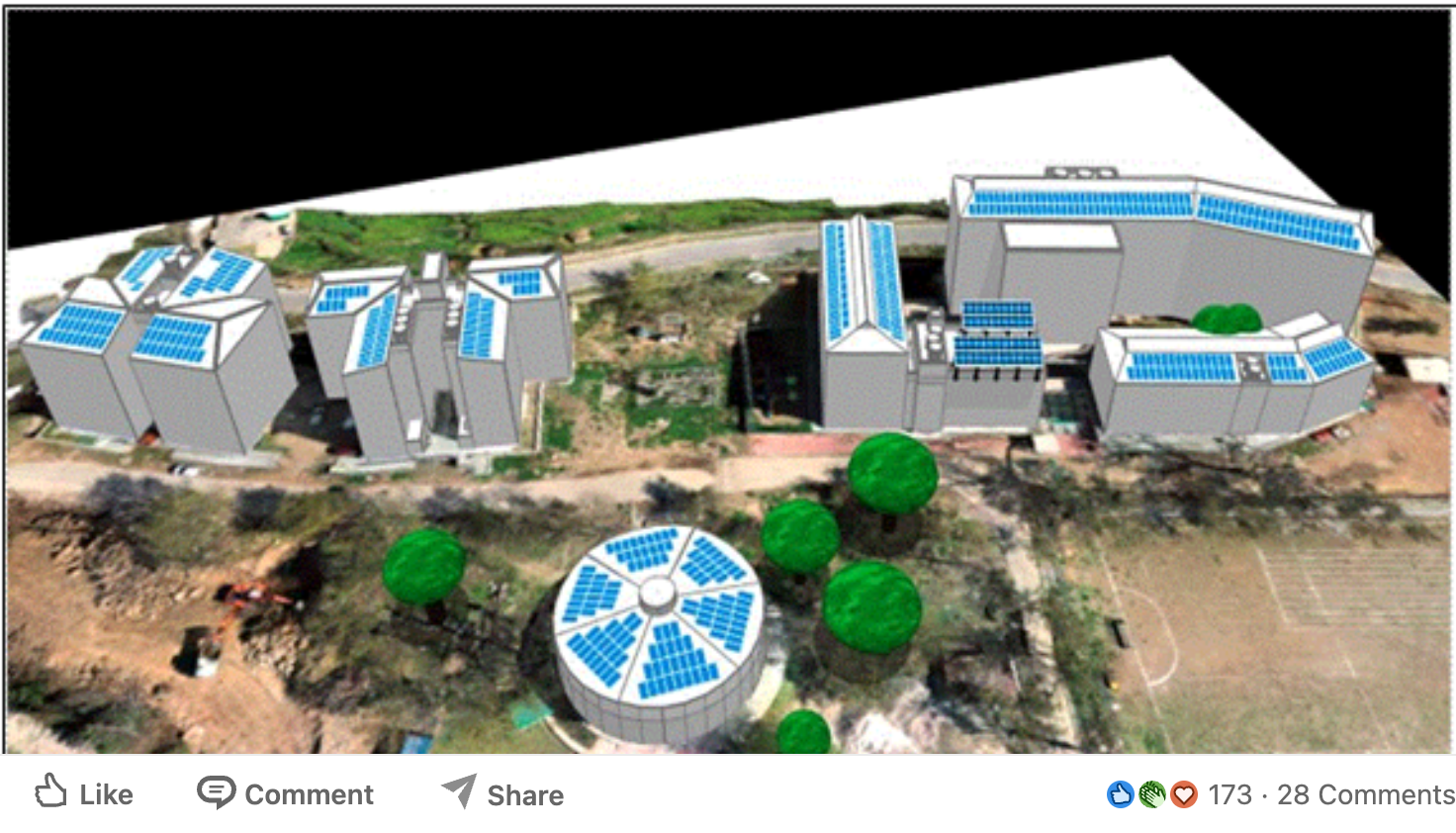
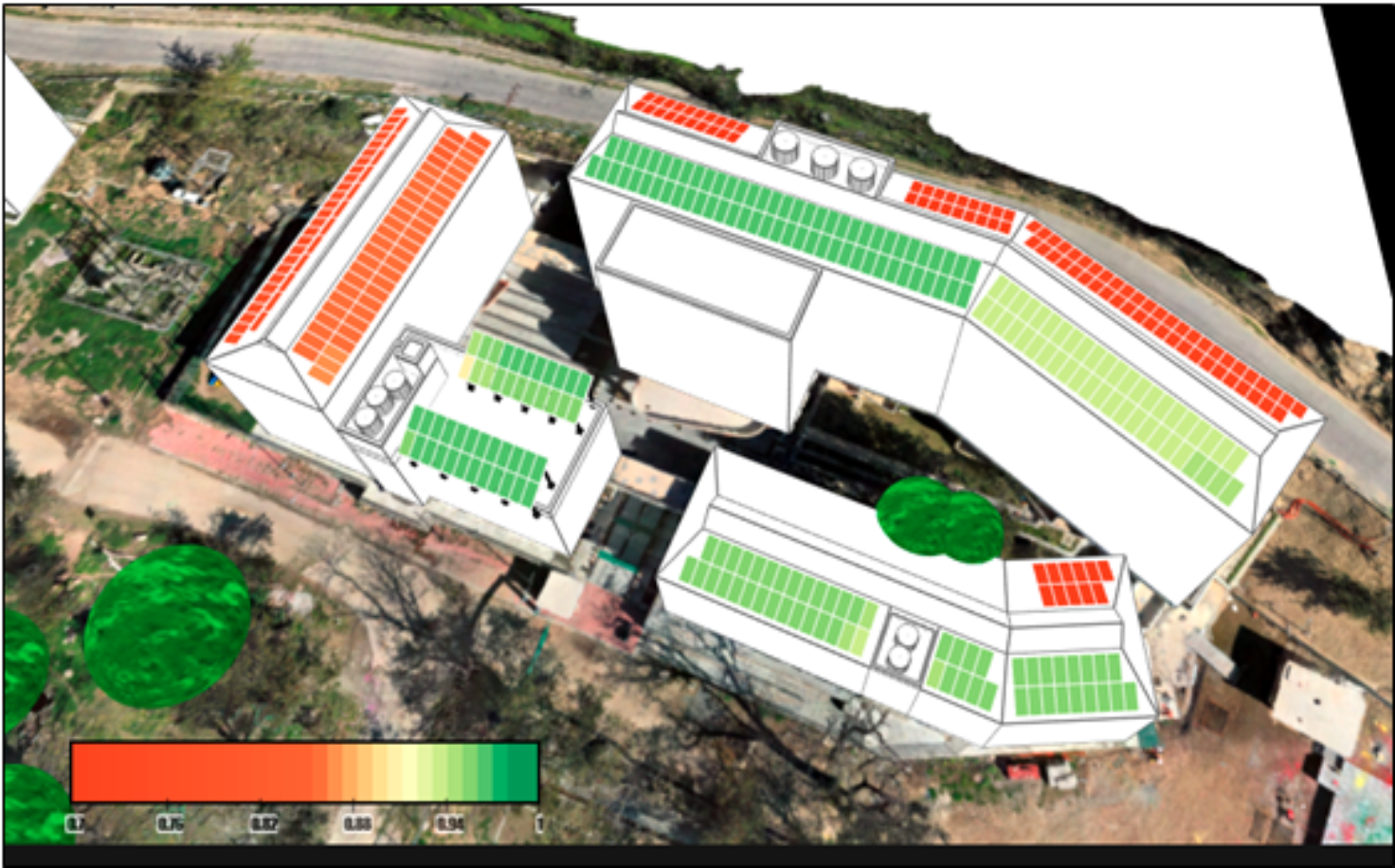
Fig 6: Amount of solar access on panels shown with different color coding
Solar PV potential for School Annex
Energy generation estimate
Specific generation in units of kWh/kWp/year was estimated. Detailed loss analysis chart is also present below.
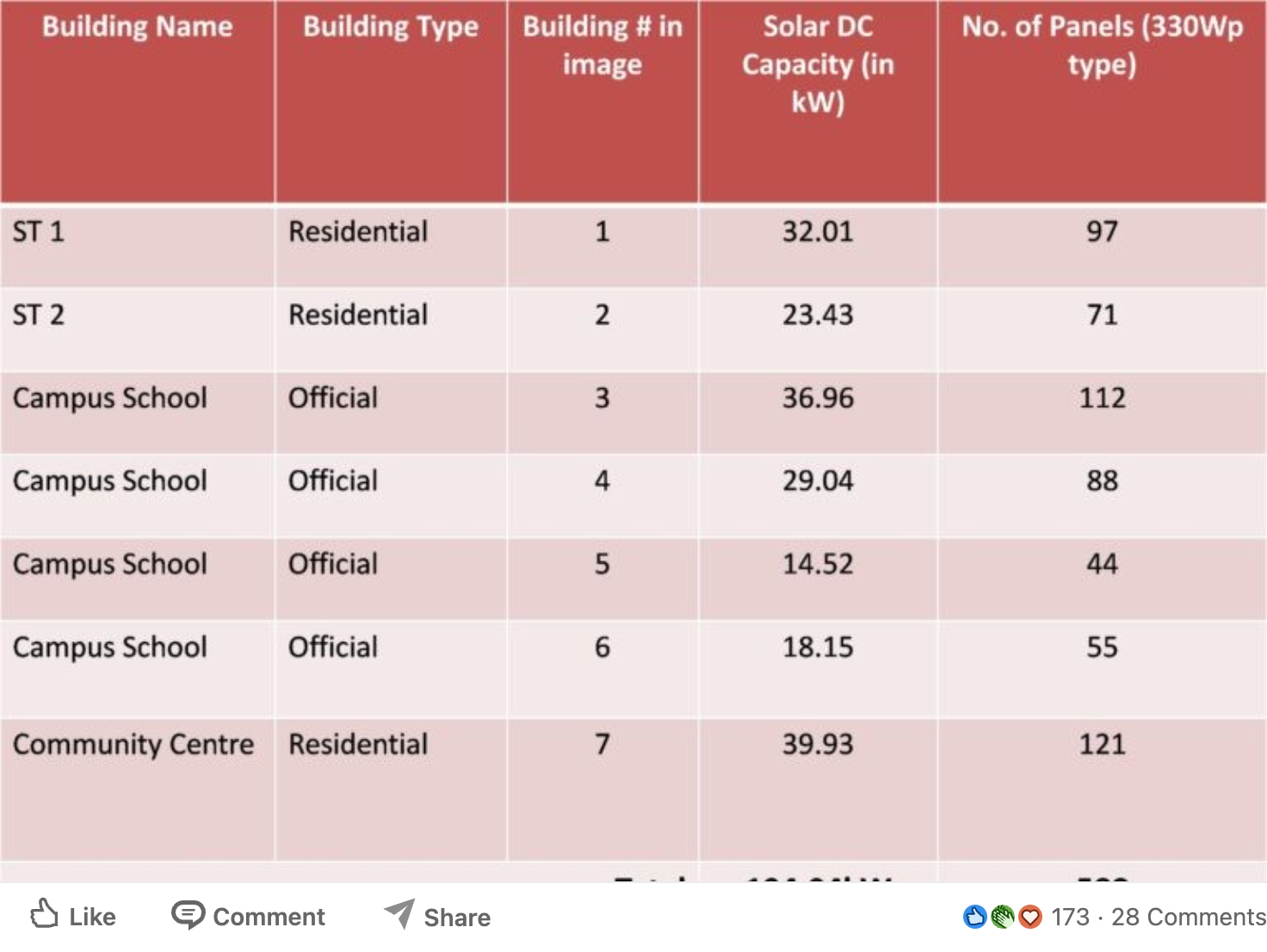
Fig 7: Detailed loss chart due to various environmental and electrical factors.
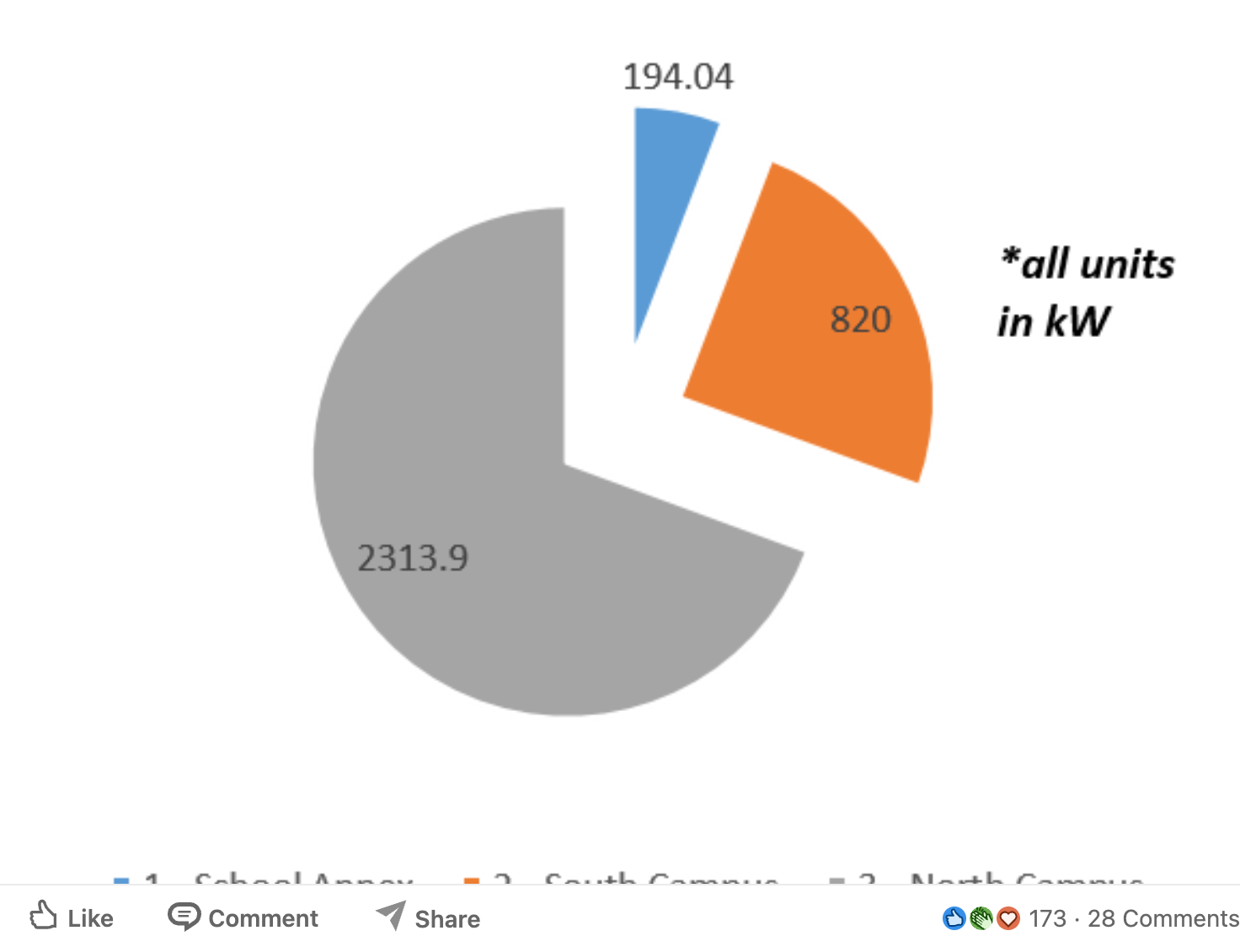
Key Results
Through this process we determined the following results:
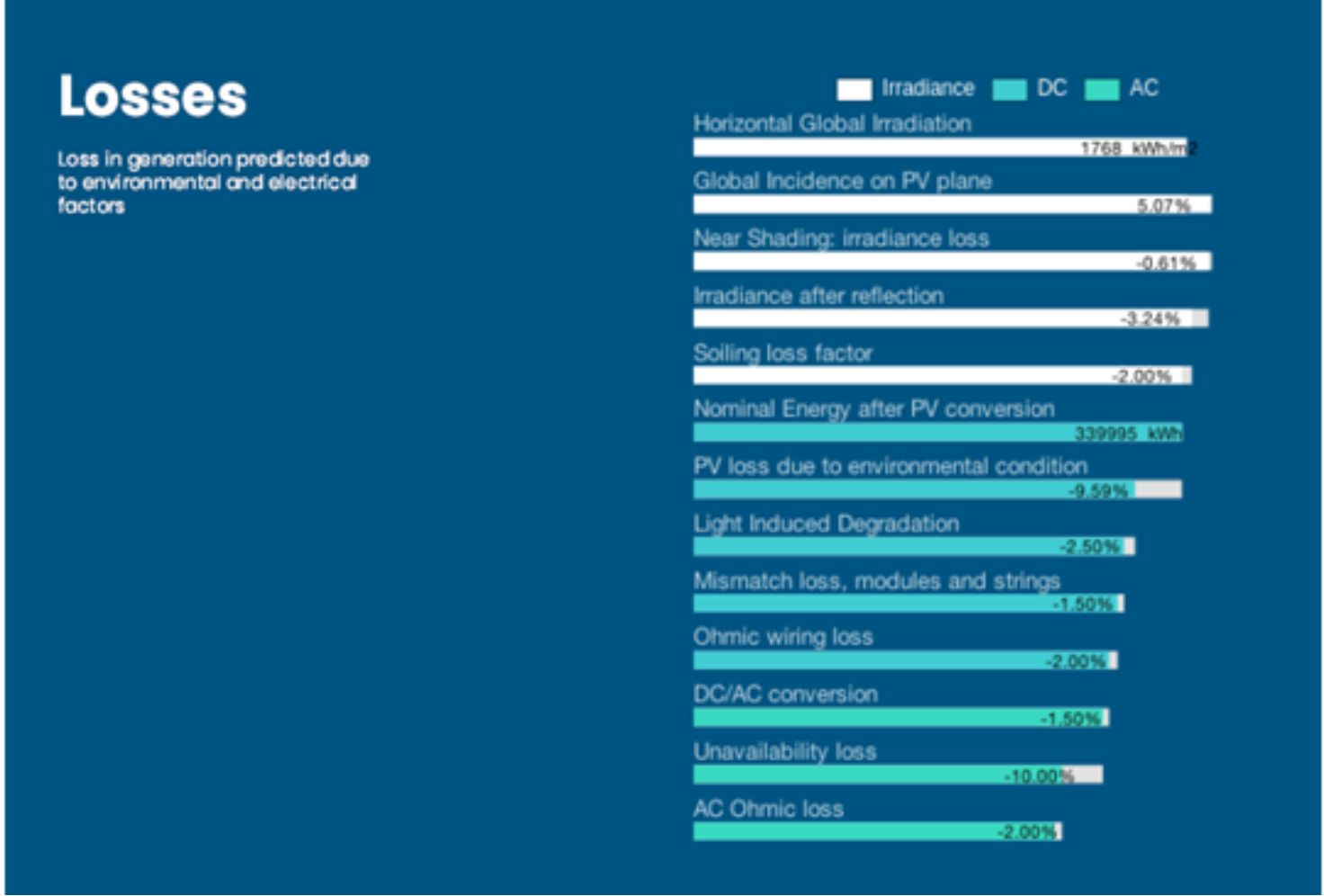
Results were obtained with:
a) High precision of solar potential estimates
b) Time saved due to faster data collection and processing
c) Better standards of safety were ensured and need for climbing roofs eliminated
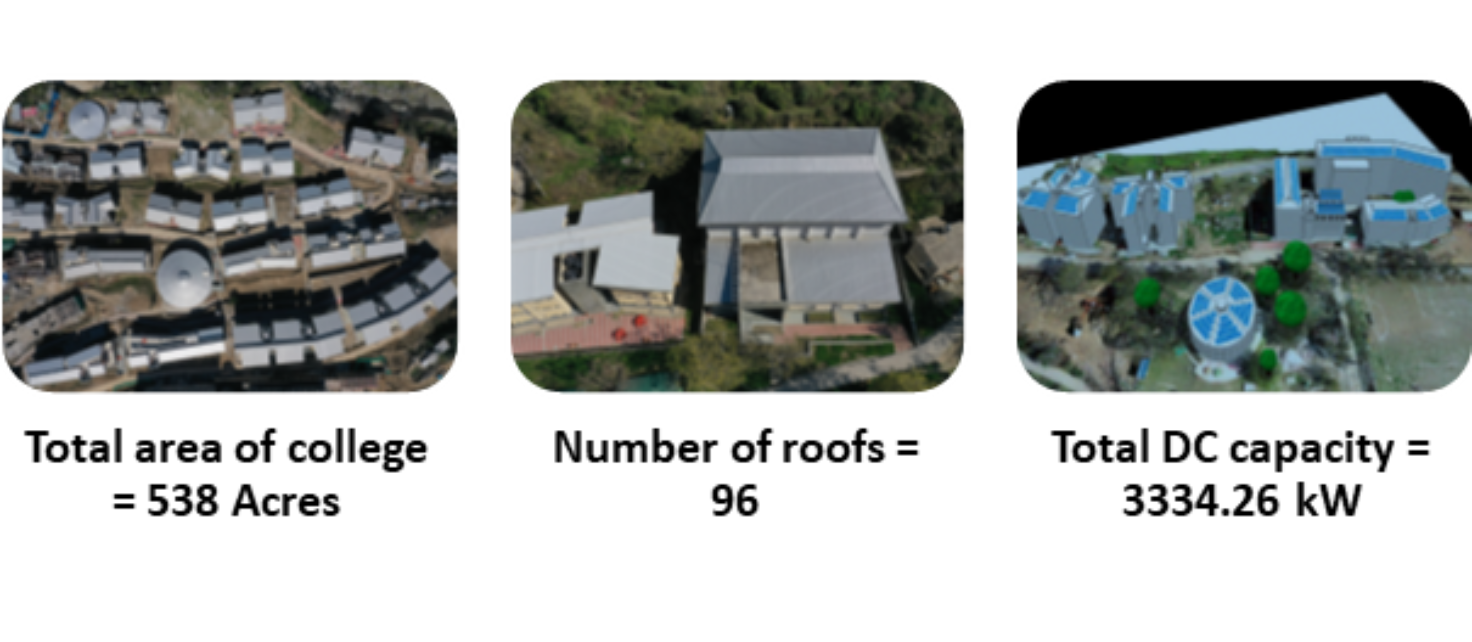
Fig 8: SECI OPEX model based total financial benefits for IIT Mandi
Conclusion
The conclusions and inferences drawn from the case study conducted are given below.
- There is a substantial time saving achieved by using design software which offers a common platform to perform multiple tasks such as 3D modeling, rooftop design, commercial reports, shading reports and CAD layout and SLD.
- The UAV based roof top area mapping effectively eliminates the problem of data that is out of date and this reduces delivery time and improves the effectiveness and usefulness of software.
- The flexibility of creating multiple designs and pitching them to the end customers, help solar installers to reduce business cycle and increase sales.
- The Solar Labs can provide consultancy services to organizations looking for solar potential analysis.
Solar potential analysis at such a large scale with 96 buildings in the campus spread over an area of 538 acres is quite strenuous. But with the help of TSL design studio, complete solar design and potential estimation took just over a week, which earlier would have easily taken months to complete.
In addition, the software’s flexibility to use drone as well as satellite images for design allows design engineers to render precise models with accurate estimates especially for remote areas where satellite images are quite blurry.
The shading reports generated using the software have been validated by TUV Nord India. It is also being widely accepted by various leading organizations such as Renew, Amplus, Unirac, Sunedison, etc.
In this era of automation, where we are trying to optimize our workflow while at the same time reducing human intervention to a bare minimum, this design software offers a robust design with significant time savings.
- The Solar Labs can help Solar EPCs to gain a competitive advantage with accurate data.
- Drone service providers can partner with us to provide data and services to solar EPCs.
- Smart city missions can better use 3D data for solar microgrid designs.
- Energy storage planning in cities for smart mobility solutions.